






SQUIRREL REMOVAL AND CONTROL

SCRATCHING ABOVE?

SQUIRRELS MAY BE INSIDE

Humane Squirrel Removal logo in black script with a small brown squirrel silhouette underlining the text

Squirrels can chew through weak roof edges and nest above your ceiling. We inspect the entry points, check for young, and plan removal, repairs, and cleanup around what your home needs.

Green squirrel silhouette on a white background, sitting upright with a curled tail

Humane

Removal

Green shield emblem with the outline of Florida inside

Florida Law

Compliant

Green house outline with a shield and checkmark inside, symbolizing home security.

Entry Point

Sealing

Green broom and dust pile icon on a white background

Clean Up

And Repair

SQUIRREL REMOVAL AND CONTROL

SCRATCHING ABOVE?

SQUIRRELS MAY BE INSIDE

Humane Squirrel Removal logo in black script with a small brown squirrel silhouette underlining the text

Squirrels can chew through weak roof edges and nest above your ceiling. A&E inspects the entry points, checks for young, and plans removal, repairs, and cleanup around what your home needs.

Green squirrel silhouette on a white background, sitting upright with a curled tail

Humane

Removal

Green shield emblem with the outline of Florida inside

Florida Law

Compliant

Green house outline with a shield and checkmark inside, symbolizing home security.

Entry Point

Sealing

Green broom and dust pile icon on a white background

Clean Up

And Repair

COMMON SQUIRREL ISSUES WE HANDLE

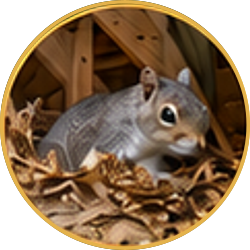
Gray squirrel in a birdhouse, peeking out from straw inside a circular frame

ATTIC NESTS


Squirrels gather nesting leaves inside your attic.

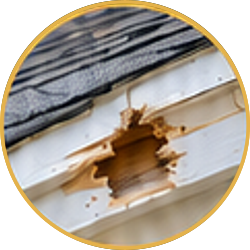
Damaged white siding with a large hole and exposed wood under roof shingles

CHEWED TRIM


Gnawing can enlarge gaps in fascia and roof edges.

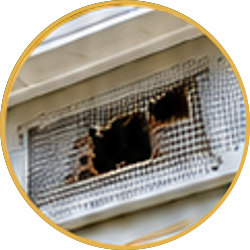
Broken white vent cover with a large hole and damaged mesh netting

DAMAGED VENTS


Weak vent screens can give squirrels a way inside.

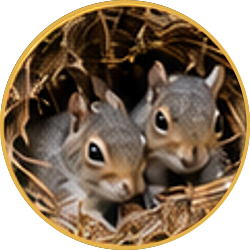
Two baby rabbits peeking out of a straw nest, framed in a circular border

HIDDEN YOUNG


Young squirrels may remain tucked inside the nest.

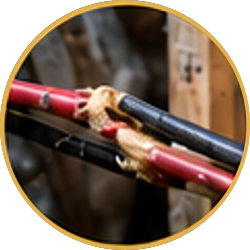
Close-up of two red and black rods tied together with rope on a wooden frame

WIRING DAMAGE


Chewing can damage electrical wiring in the attic.

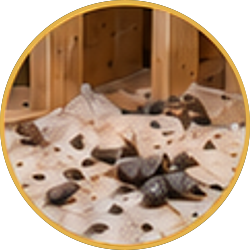
Chocolate chip cookies on a tray in a wooden kitchen setting

WASTE BUILDUP


Droppings and soiled nesting material can collect.

Gray squirrel nestled in straw inside a wooden birdhouse

ATTIC NESTS


Squirrels gather nesting leaves inside your attic.

Close-up of a damaged white wall with a large hole and peeling material near the roofline

CHEWED TRIM


Gnawing can enlarge gaps in fascia and roof edges.

Broken window screen with a large hole in a white-framed exterior vent or window panel

DAMAGED VENTS


Weak vent screens can give squirrels a way inside.

Two baby rabbits nestled in straw, peeking out from a dark burrow opening.

HIDDEN YOUNG


Young squirrels may remain tucked inside the nest.

Close-up of two red and black rods tied together with rope on a wooden frame

WIRING DAMAGE


Chewing can damage electrical wiring in the attic.

Chocolate chip cookies on a tray in a wooden kitchen setting

WASTE BUILDUP


Droppings and soiled nesting material can collect.

SQUIRREL REMOVAL AND CONTROL

SCRATCHING ABOVE?

SQUIRRELS MAY BE INSIDE

Logo reading “Humane Squirrel Removal” in black script with a gold underline

Squirrels can chew through weak roof edges and nest above your ceiling. A&E inspects the entry points, checks for young, and plans removal, repairs, and cleanup around what your home needs.

COMMON SQUIRREL ISSUES WE HANDLE

Gray squirrel nestled in straw inside a wooden birdhouse

ATTIC NESTS


Squirrels gather nesting leaves inside your attic.

Two baby rabbits nestled in straw, peeking out from a dark burrow opening.

CHEWED TRIM


Gnawing can enlarge gaps in fascia and roof edges.

Broken window screen with a large hole in a white-framed exterior vent or window panel

DAMAGED VENTS


Weak vent screens can give squirrels a way inside.

Two baby rabbits nestled in straw, peeking out from a dark burrow opening.

HIDDEN YOUNG


Young squirrels may remain tucked inside the nest.

Close-up of two red and black rods tied together with rope on a wooden frame

WIRING DAMAGE


Chewing can damage electrical wiring in the attic.

Chocolate chip cookies on a tray in a wooden kitchen setting

WASTE BUILDUP


Droppings and soiled nesting material can collect.

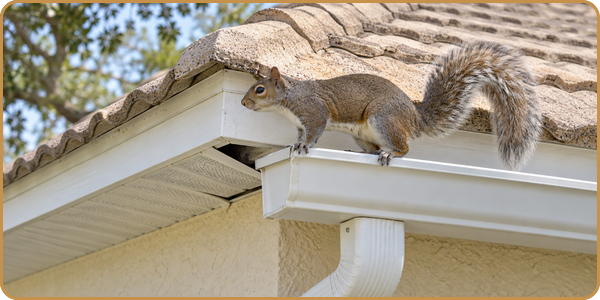
Squirrel walking along a house gutter on a sunny day

SIGNS YOU MAY HAVE A SQUIRREL PROBLEM

Black outlined checkmark inside a circle icon on a white background

Quick scampering or scratching above your ceiling.

Black checkmark inside an open circle icon on a white background

Fresh chew marks along the fascia and attic vents.

Black checkmark inside a partially open circle icon on a white background

Leaves or nesting material tucked into insulation.

Black checkmark inside a circle icon on a white background.

Squirrels repeatedly entering through one opening.

Black checkmark inside an incomplete black circle icon on a white background

Droppings or staining near an active nesting area.

Black checkmark inside a circle icon on a white background

Gnawed wiring or damage to items stored in attics.

Squirrel walking along a house gutter on a sunny day

SIGNS YOU MAY HAVE A SQUIRREL PROBLEM

Checkmark inside an incomplete circular outline icon in black on a white background

Quick scampering or scratching above your ceiling.

Black checkmark inside a circular arrow icon on a white background

Fresh chew marks along the fascia and attic vents.

Checkmark inside a circle icon in black line art

Leaves or nesting material tucked into insulation.

Black outlined checkmark inside a circle on a white background.

Squirrels repeatedly entering through one opening.

Black outlined checkmark inside an open circle icon on a white background

Droppings or staining near an active nesting area.

Black checkmark inside a circular outline icon on a white background

Gnawed wiring or damage to items stored in attics.

OUR SQUIRREL REMOVAL PROCESS

Black magnifying glass inside a thin gold circle on a white background

INSPECT

Find entry points and check nesting areas for young.

Black clipboard checklist icon inside a thin gold circle on white background

PLAN

Choose removal methods suited to the nest and home.

Black house silhouette with missing puzzle piece inside a brown circle on white background

EXCLUDE & REMOVE

Remove squirrels, then close vulnerable openings.

Black broom with a small dust pile inside a brown circle icon

CLEAN UP

Address nesting debris and contaminated materials.

Information icon in a black-outlined circle on a white background

Check for dependent young before excluding squirrels or sealing an active nest.

WHERE SQUIRRELS GET INSIDE
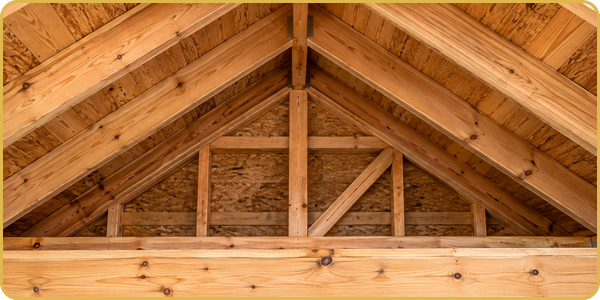
Wooden truss roof framing with exposed beams and plywood panels

ATTICS

Attic spaces provide room for sheltered nesting.
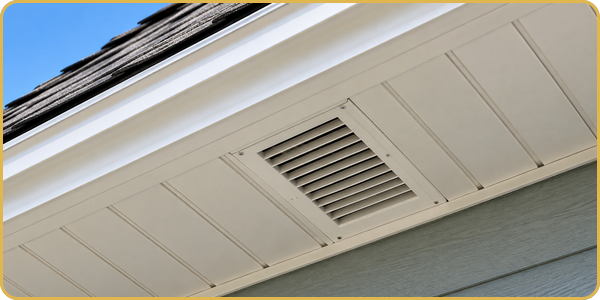
White house eave with a rectangular vent under the roofline above blue siding

EAVES

Loose panels can open a way into the roof space.
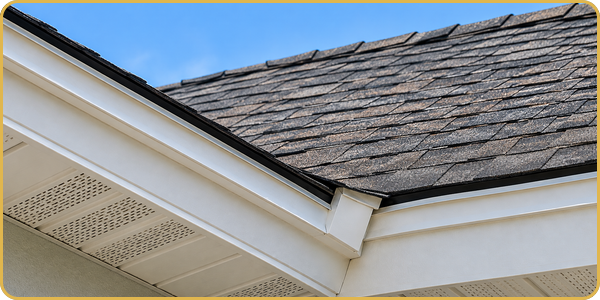
Close-up of a house roof with gray shingles, white eaves, and gutter detail

ROOFS

Roof junctions can conceal gaps used for access.
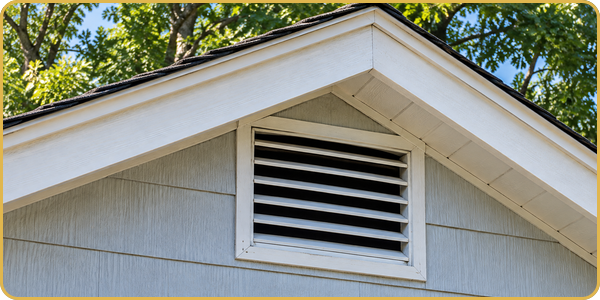
White house gable with a small louvered attic vent under the roofline and green trees above

VENTS

Broken screens can leave attic vents vulnerable.
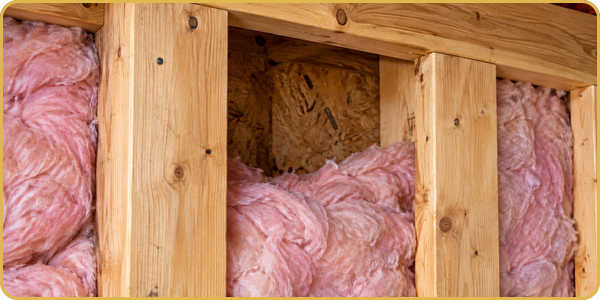
Pink insulation batts between wooden wall studs in a framed structure

WALL VOIDS

Connected cavities can let squirrels into walls.
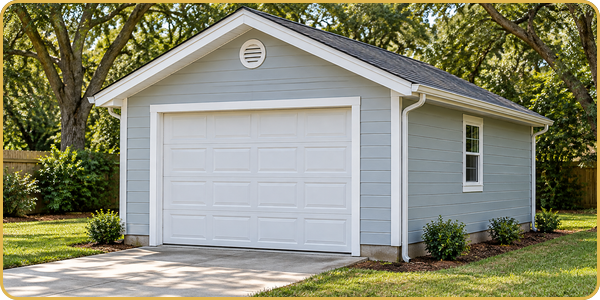
White detached garage with a closed door and small side window on a grassy lot

OUT BUILDINGS

Quiet storage buildings may offer nesting space.

WHY SQUIRRELS CHOOSE A STRUCTURE

Green tree beside a house icon, suggesting eco-friendly home or real estate.

TREE ACCESS

Nearby branches give squirrels a route to a roof.

Dark green acorn silhouette on a white background

READY FOOD

Acorns and birdseed attract squirrels near homes.

Dark green house logo with a white zigzag path or crack through the center

ENTRY GAPS

Small holes may be widened by persistent chewing.

Dark green leafy wreath or circular botanical logo on a white background

NESTING MATERIAL

Protected spaces offer shelter for growing young.

Green rolled sleeping bag icon with a white spiral design

SOFT MATERIALS

Loose insulation can be gathered into nest sites.

Green muted speaker icon with an X, indicating sound off or muted

QUIET SPACES

Undisturbed areas allow squirrels to rest inside.

FREQUENTLY ASKED QUESTIONS ABOUT SQUIRRELS

  • How do squirrels get into an attic?

    Squirrels can enter through loose soffits, damaged vents and gaps along roof edges. They may also chew small openings wider to get inside. Nearby branches can provide a route to the roof, where squirrels explore weak spots in the trim and roofline.

  • What if squirrels have babies in the nest?

    Young squirrels may be unable to leave on their own, so the nest needs to be checked before removal or sealing begins. The approach should account for the mother and her young. Closing an opening too soon can trap babies inside and separate them from their mother.

  • Can squirrels chew through wiring?

    Yes. Squirrels can gnaw through the protective insulation around electrical wires. If you suspect damage, have an electrician inspect the affected wiring. Removing the squirrels addresses the animal activity, but it doesn’t repair wires they’ve already chewed.

  • Are attic noises always from gray squirrels?

    No. Rats, mice, flying squirrels and raccoons can also make noises above your ceiling. Gray squirrels are generally active during daylight, while some other attic visitors are more active at night. Timing can offer a clue, but sounds alone aren’t enough to identify the animal.

  • How do you stop squirrels from getting back in?

    Once the squirrels and any dependent young are out, their entry points need to be closed with materials that resist chewing. Damaged soffits, fascia and vent screens may need repair or reinforcement. Trimming branches away from the roof can reduce access, but it doesn’t replace repairing the openings.

  • Will squirrels leave an attic on their own?

    A squirrel may leave to find food and return to the same attic afterward. If the space offers shelter or contains a nest, waiting for it to leave permanently may not resolve the problem. A quiet period doesn’t necessarily mean the attic is empty.