






ARMADILLO REMOVAL AND CONTROL

FRESH HOLES IN

YOUR LAWN?

Armadillo Removal & Control logo in black script with a thin gold line beneath

Scattered digging and larger burrows call for different checks. We inspect the damage, identify active routes, and plan removal and prevention around your property.

Dark green armadillo silhouette with white stripes on a white background

Humane

Removal

Green shield outline with the silhouette of Florida inside

Florida Law

Compliant

Green shield logo with a white picket fence inside

Entry Point

Sealing

Green plant with leaves beside a checkmark in a rounded square icon

Prevention

Advice

ARMADILLO REMOVAL AND CONTROL

FRESH HOLES IN

YOUR LAWN?

Armadillo Removal & Control logo in black script with a thin gold line beneath

Scattered digging and larger burrows call for different checks. A&E inspects the damage, identifies active routes, and plans removal and prevention around your property.

Dark green armadillo silhouette with white stripes on a white background

Humane

Removal

Green shield outline with the silhouette of Florida inside

Florida Law

Compliant

Green shield logo with a white picket fence inside

Barrier

Options

Green plant with leaves beside a checkmark in a rounded square icon

Prevention

Advice

COMMON ARMADILLO ISSUES WE HANDLE

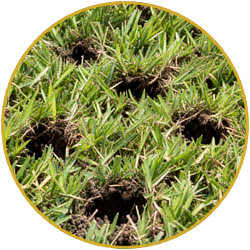
Several small holes in green grass, resembling animal burrows or turf damage

LAWN HOLES


Foraging leaves scattered shallow holes in turf.

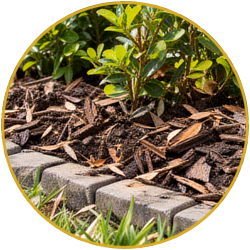
Mulch around a small green shrub bordered by gray pavers and grass blades

DISTURBED BEDS


Loose soil and mulch can be pushed out of place.

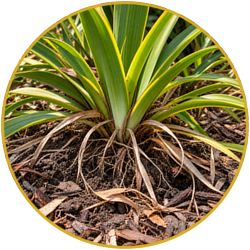
Close-up of a variegated green and yellow spiky plant with exposed roots in mulch

EXPOSED ROOTS


Digging can disturb roots around smaller plants.

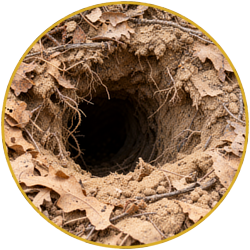
Close-up of a round dirt burrow entrance in dry soil with roots around the opening

DEEP BURROWS


Larger openings lead to underground shelter.

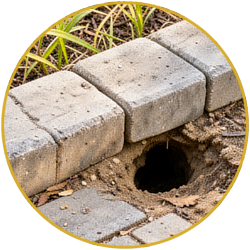
Broken sidewalk pavers with a hole exposing soil beneath, beside a garden border

PATIO EDGES


Digging may extend beneath the edge of a patio.

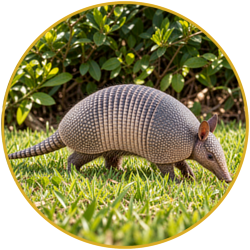
Armadillo walking through green grass near shrubs in daylight

REPEAT DIGGING


Fresh activity may appear along familiar routes.

Muddy holes in green grass, showing damaged turf and bare patches

LAWN HOLES


Foraging leaves scattered shallow holes in turf.

Mulched garden bed with green plants bordered by gray pavers and grass blades in front

DISTURBED BEDS


Loose soil and mulch can be pushed out of place.

Close-up of a variegated green and yellow plant with spiky leaves and dry mulch at the base

EXPOSED ROOTS


Digging can disturb roots around smaller plants.

Close-up of a deep round hole in dry, cracked soil with exposed roots and dirt edges

DEEP BURROWS


Larger openings lead to underground shelter.

Broken paver walkway with a hole exposing a burrow underneath and disturbed soil nearby

PATIO EDGES


Digging may extend beneath the edge of a patio.

Armadillo walking through green grass near shrubs in daylight

REPEAT DIGGING


Fresh activity may appear along familiar routes.

ARMADILLO REMOVAL AND CONTROL

FRESH HOLES IN YOUR LAWN?

Armadillo Removal & Control logo in black script with a gold underline on a white background

Scattered digging and larger burrows call for different checks. We inspect the damage, identify active routes, and plan removal and prevention around your property.

COMMON ARMADILLO ISSUES WE HANDLE

Muddy holes in green grass, showing damaged turf and bare patches

LAWN HOLES


Foraging leaves scattered shallow holes in turf.

Mulched garden bed with green plants bordered by gray pavers and grass blades in front

DISTURBED BEDS


Loose soil and mulch can be pushed out of place.

Close-up of a variegated green and yellow plant with spiky leaves and dry mulch at the base

EXPOSED ROOTS


Digging can disturb roots around smaller plants.

Close-up of a deep round hole in dry, cracked soil with exposed roots and dirt edges

DEEP BURROWS


Larger openings lead to underground shelter.

Broken paver walkway with a hole exposing a burrow underneath and disturbed soil nearby

PATIO EDGES


Digging may extend beneath the edge of a patio.

Armadillo walking through green grass near shrubs in daylight

REPEAT DIGGING


Fresh activity may appear along familiar routes.

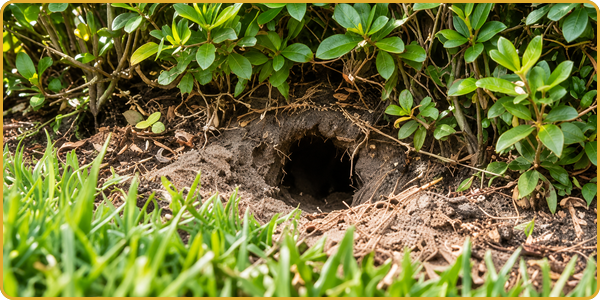
Hole in dirt beneath green shrubs and grass

SIGNS OF ARMADILLO ACTIVITY

Black checkmark inside a circular outline icon on a white background

Small, shallow holes scattered across the lawn.

Black checkmark inside a circle icon on a white background

Loose soil pushed away from a burrow entrance.

Black checkmark inside a circular arrow outline icon on a white background

Fresh digging around mulch and planting beds.

Black checkmark inside a partial circular arrow icon on a white background

Tracks or tail marks crossing loose sandy soil.

Checkmark inside a circle icon

An armadillo foraging after dusk.

Circular checkmark icon in black outline on a white background

New digging in areas disturbed before.

Hole in dirt beneath green shrubs and grass

SIGNS OF ARMADILLO ACTIVITY

Black outlined checkmark inside a partial circular arrow icon on a white background

Small, shallow holes scattered across the lawn.

Black checkmark inside a circular arrow icon on a white background

Loose soil pushed away from a burrow entrance.

Black checkmark inside a circular arrow icon on a white background.

Fresh digging around mulch and planting beds.

Black checkmark inside an outlined circle icon on a white background

Tracks or tail marks crossing loose sandy soil.

Checkmark inside a circular arrow icon on a white background

An armadillo foraging after dusk.

Black checkmark inside a circular arrow icon on a white background

New digging in areas disturbed before.

OUR ARMADILLO REMOVAL PROCESS

Black magnifying glass over green grass inside an orange circle icon

INSPECT

Identify the animal, burrows and signs of activity.

Black clipboard icon inside an orange circle on a white background

PLAN

Choose an approach suited to the property.

Green armadillo logo inside a thin orange circle on a white background

EXCLUDE & REMOVE

Target confirmed activity and monitor the results.

Green shield with leaf sprout inside an orange circle, symbolizing eco-friendly protection

PREVENT

Review barriers and conditions that invite digging.

Information icon in a black outlined circle on a white background

Confirm which animal is using a burrow before disturbing or closing it.

WHERE ARMADILLOS DIG AND DEN
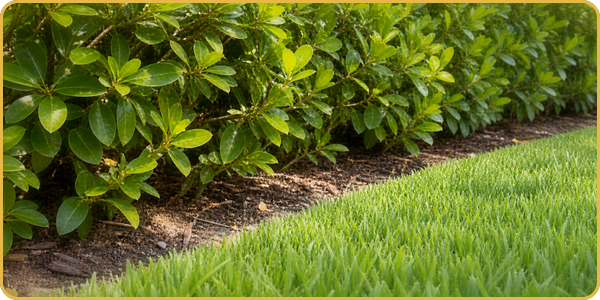
Green shrubs bordering a neatly trimmed grassy lawn in a landscaped garden

LAWN EDGES

Grass borders can become regular feeding areas.
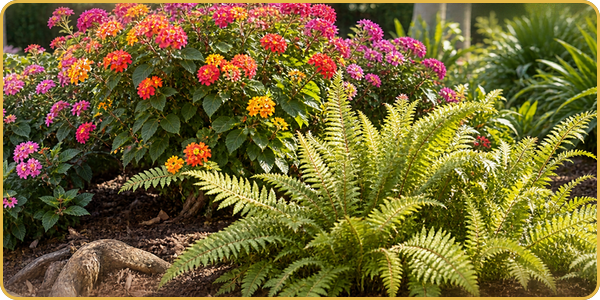
Colorful flowering shrubs and lush green ferns in a garden bed

GARDEN BEDS

Loose planting soil offers places to search for food.
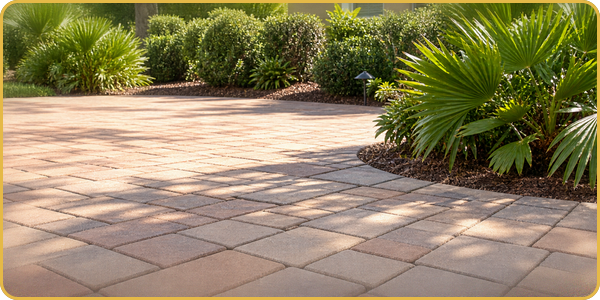
Sunlit tiled patio bordered by lush green shrubs and palm plants

PATIO EDGES

Sheltered edges may conceal a burrow entrance.
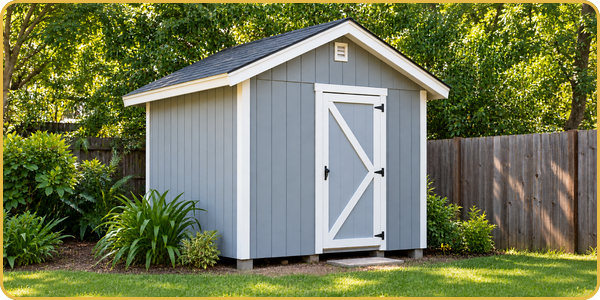
Gray garden shed with white trim and double doors in a backyard, surrounded by greenery and a wooden fence

UNDER SHEDS

Open ground beneath a shed can offer cover.
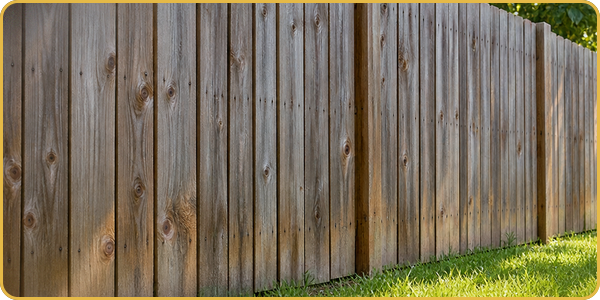
Wooden privacy fence with gray weathered boards, slanting over a grassy yard

FENCE LINES

Gaps along fences can provide routes through a yard.
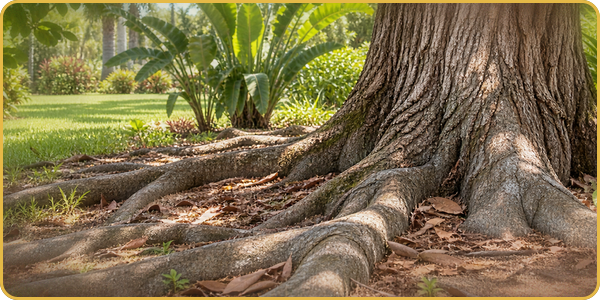
Large tree trunk with sprawling roots in a sunny park with green grass and palm trees

TREE ROOTS

Root areas can shelter openings into the ground.

WHAT DRAWS ARMADILLOS TO A YARD
Dark green segmented caterpillar illustration on a white background

SOIL INSECTS

Grubs and other insects provide a source of food.

Dark green droplet above stylized plant-like leaves on a white background

MOIST GROUND

Damp soil can bring prey closer to the surface.

Dark green abstract paw print made of irregular spots on a white background

LOOSE SOIL

Soft ground makes digging for food and shelter easier.

Green tree silhouette logo with three trees on a white background

DENSE COVER

Thick shrubs offer concealed places to travel.

Green tree with two apples, one on each side, in a simple silhouette style

FALLEN FRUIT

Fruit left on the ground may attract repeat visits.

Green stylized mountain with wavy lines and small rocks, like a simple logo

SHELTERED DENS

Protected burrows provide a place to rest.

FREQUENTLY ASKED QUESTIONS ABOUT ARMADILLOS

  • Why are armadillos digging in my yard?

    Armadillos dig for insects, grubs and earthworms beneath the soil. Their feeding often leaves scattered small holes across lawns and planting beds. Larger, deeper openings may be burrows used for shelter. Moist soil can bring their food closer to the surface, making watered areas especially attractive.

  • How can I tell what made a burrow?

    An armadillo burrow usually has a round or oval entrance that slopes downward, sometimes with loose soil outside. Other animals make similar openings, so shape alone isn’t enough to confirm what’s using it. Gopher tortoise burrows typically have a flatter bottom and a domed top. Have an unfamiliar burrow identified before disturbing it.

  • Can armadillos dig beneath a patio?

    Yes. Armadillos can excavate beneath patios, driveways and other hard surfaces. Their burrows can remove supporting soil and contribute to settling or damage. If you notice an opening beside a patio, sinking pavers or a gap beneath an edge, have the area assessed before filling the hole or repairing the surface.

  • Will an armadillo leave on its own?

    It may move on, but that doesn’t mean it won’t return. A single armadillo can use several burrows, and a yard that offers food and shelter may continue to attract activity. Because they use multiple shelters, a brief absence shouldn’t be treated as proof that a burrow has been abandoned.

  • Should I fill an armadillo burrow?

    Have the animal and the burrow’s occupancy confirmed first. Filling an occupied opening can trap wildlife underground. In Florida, gopher tortoises and their burrows are protected, making correct identification particularly important. Once the situation has been assessed, the appropriate next step can be determined, including whether the surrounding ground needs repair.

  • How do you reduce repeat digging?

    Remove fallen fruit and avoid watering more than your landscape needs. Properly installed barriers can help protect vulnerable planting beds and other small areas, but they need protection below ground because armadillos dig. An inspection can help determine where removal, barriers or changes to yard conditions would be most useful.