







BAT REMOVAL AND CONTROL

BATS IN THE ATTIC

PROBLEM SOLVED

Humane Bat Exclusion text in black script with a gold underline on a white background

Bats help control insects, but they don’t belong inside your home. We inspect the structure, identify active entry points, follow Florida bat exclusion rules, and solve the problem with exclusion, sealing, cleanup, and repairs.

Dark green bat silhouette inside a dark green circle on a white background

Humane

Removal

Green shield logo with the silhouette of Florida in the center

Florida Law

Compliant

Green house icon with a shield and checkmark, suggesting home security or protection

Entry Point

Sealing

Green broom and dust pile icon on a white background

Clean Up

And Repair

COMMON BAT ISSUES WE HANDLE

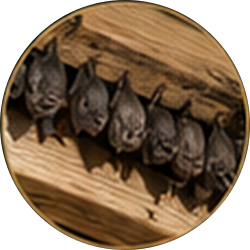
A row of bats hanging upside down under a wooden beam

BRAZILIAN FREE-TAILED BATS


Florida’s most common bat species, often living in human structures.

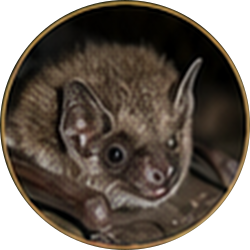
A small brown bat perched in a dark circular frame, shown close-up with large ears and eyes.

EVENING

BATS


A small bat that may roost in attics and other sheltered structures.

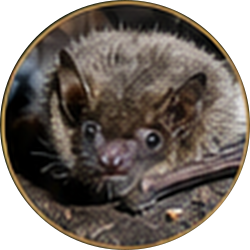
Small brown bat with large ears and bright eyes peeking out from a cave-like crevice

SOUTHEASTERN

MYOTIS


Can roost in buildings,

attics, beneath bridges

and inside culverts.

Close-up of a wooden lattice structure with angled beams and metal bolts in a circular frame

ATTIC

COLONIES


Warm roof spaces can support repeat roosting and maternity colonies.

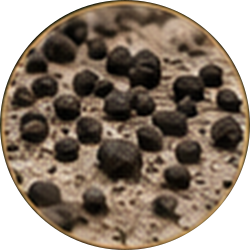
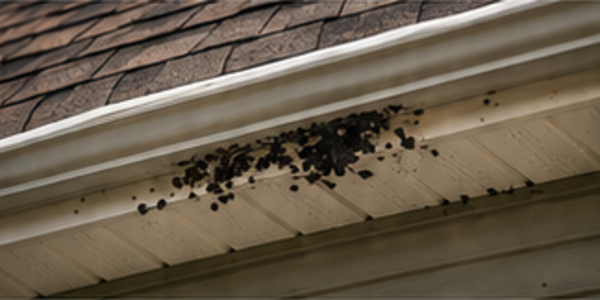
Close-up of scattered black peppercorns on a tan textured surface

GUANO AND

ODOR ISSUES


Droppings, staining, and odor can build up around active bat roosts.

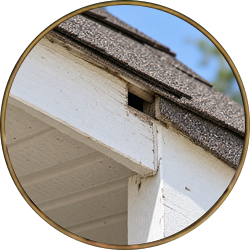
Close-up of white house eaves with a visible gap under the roof shingles

BAT ENTRY

GAPS


Small gaps along roof edges and soffits can let bats into buildings.

BAT REMOVAL AND CONTROL

BATS IN THE ATTIC

PROBLEM SOLVED

Humane Bat Exclusion text in black script with a gold underline on a white background

Bats help control insects, but they don’t belong inside your home. We inspect the structure, identify active entry points, follow Florida bat exclusion rules, and solve the problem with exclusion, sealing, cleanup, and repairs.

COMMON BAT ISSUES WE HANDLE

A row of bats hanging upside down under a wooden beam

BRAZILIAN FREE-TAILED BATS


Florida’s most common bat species, often living in human structures.

A small brown bat perched in a dark circular frame, shown close-up with large ears and eyes.

EVENING BATS


A small bat that may roost in attics and other sheltered structures.

Small brown bat with large ears and bright eyes peeking out from a cave-like crevice

SOUTHEASTERN MYOTIS


Can roost in buildings, attics, beneath bridges and inside culverts.

Close-up of a wooden lattice structure with angled beams and metal bolts in a circular frame

ATTIC COLONIES


Warm roof spaces can support repeat roosting and maternity colonies.

Close-up of scattered black peppercorns on a tan textured surface

GUANO AND ODOR ISSUES


Droppings, staining, and odor can build up around active bat roosts.

Close-up of white house eaves with a visible gap under the roof shingles

BAT ENTRY GAPS


Small gaps along roof edges and soffits can let bats into buildings.

A row of bats hanging upside down under a wooden beam

BRAZILIAN FREE-TAILED

BATS


Florida’s most common bat species, often living in human structures.

Close-up of a small brown bat curled up in a dark circular frame

EVENING

BATS


A small bat that may roost in attics and other sheltered structures.

Small furry possum peeking from a dark opening, framed in a circular border

SOUTHEASTERN

MYOTIS


Can roost in buildings,

attics, beneath bridges

and inside culverts.

Close-up of a wooden lattice ceiling with dark beams and circular framing

ATTIC

COLONIES


Warm roof spaces can support repeat roosting and maternity colonies.

Close-up of black peppercorns scattered on a beige surface, viewed through a circular frame

GUANO AND

ODOR ISSUES


Droppings, staining, and odor can build up around active bat roosts.

Close-up of a house roof eave with white trim and a small gap near the fascia board

BAT ENTRY

GAPS


Small gaps along roof edges and soffits can let bats into buildings.

Cluster of black birds perched on a house roof edge near the gutter

SIGNS YOU MAY HAVE A BAT PROBLEM

Black checkmark inside a circular outline on a white background

Bats leaving rooflines, soffits, or vents near dusk.

Black outline icon of a checkmark inside a partial circle on a white background

Chirping or light scratching sounds at dusk or dawn.

Black outlined checkmark inside a circular arrow icon on a white background

Bat droppings in your attic or beneath entry points.

Checkmark inside a circular arrow icon in black on a white background

A strong musky smell coming from a nearby bat roost.

Black check mark inside an open circular outline icon on a white background

Dark staining or oily rub marks near small openings.

Black checkmark inside a circle icon

A bat flying or resting in a bedroom or living room.

Cluster of black birds perched on a house roof edge near the gutter

SIGNS YOU MAY HAVE A BAT PROBLEM

Black circular checkmark icon with an open lower-left gap

Bats leaving rooflines, soffits, or vents near dusk.

Black checkmark inside a partial circle, like a check icon with a circular outline

Chirping or light scratching sounds at dusk or dawn.

Black checkmark inside a circular outline on a white background.

Bat droppings in your attic or beneath entry points.

Checkmark inside a circular arrow icon, black on white background

A strong musky smell coming from a nearby bat roost.

Black circular checkmark icon with an open gap at the lower right

Dark staining or oily rub marks near small openings.

Checkmark inside a circle icon in black outline on a white background

A bat flying or resting in a bedroom or living room.

OUR BAT REMOVAL PROCESS

Black magnifying glass icon inside a thin gold circle on a white background

INSPECT

Locate all roosting areas and map bat entry points.

Black clipboard checklist icon inside a thin gold circle

PLAN

Plan the work around Florida’s bat exclusion rules.

Black house icon with a puzzle-piece cutout inside a gold circle on a white background

EXCLUDE & REMOVE

Use one-way exits, then seal gaps after bats leave.

Black broom icon inside a tan circle with a small spilled debris mark

CLEAN UP

Address guano, odor, and contaminated attic debris.

Information icon in a black circle on a white background

In Florida, exclusions without a permit are generally done from Aug 15 to Apr 15, outside maternity season.

COMMON PLACES BATS ROOST
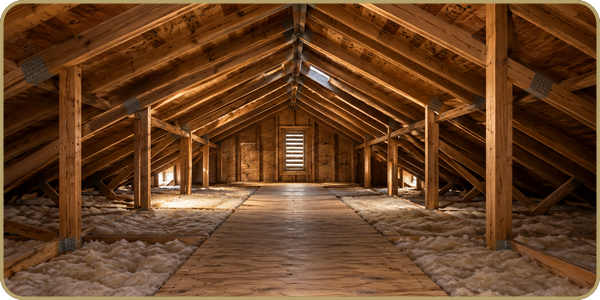
Wooden attic interior with exposed beams, a central walkway, and daylight from a far window

ATTICS

Warm, sheltered spaces above insulation and rafters.
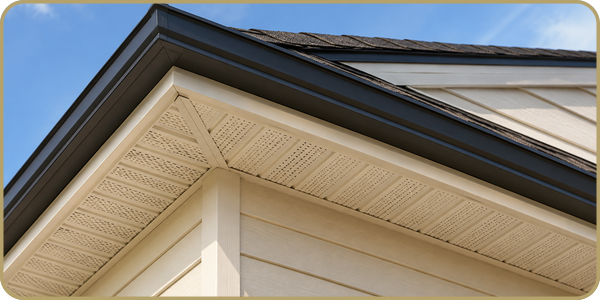
Close-up of a house roof eave with beige siding, white trim, and dark shingles against a blue sky

EAVES

Roof-edge gaps can give bats access to attic spaces.
White house gable with a small louvered vent under a blue sky

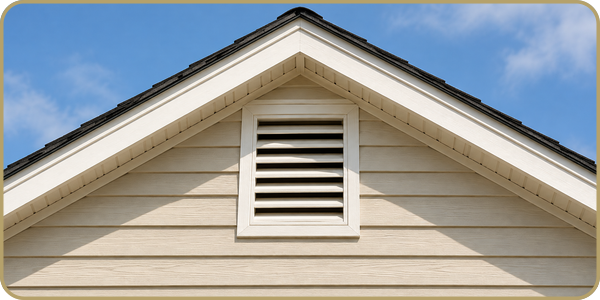
VENTS

Louvered vents may give bats access to attic spaces.
Close-up of terracotta roof tiles with curved overlapping shingles under blue sky

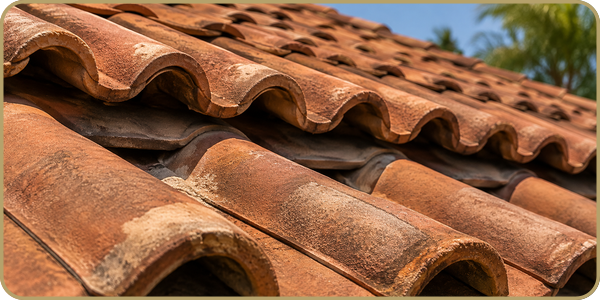
ROOFS

Small gaps beneath roof tiles can hide bat colonies.
White garden shed with double doors and a small window in a sunny backyard

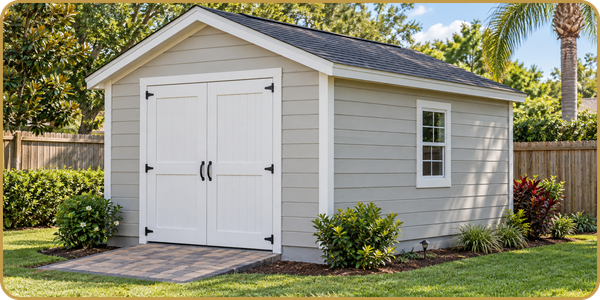
BUILDINGS

Quiet sheds and outbuildings can host roosting bats.
Close-up of green shutters beside a white house wall and window trim

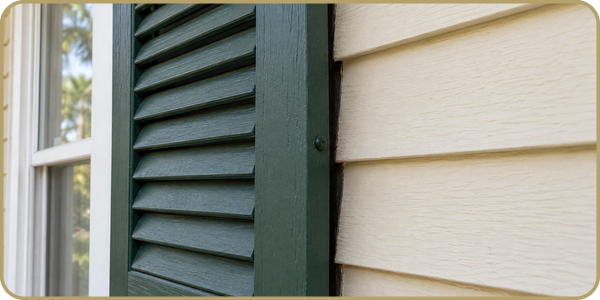
SIDING

Gaps in siding and behind shutters can shelter bats.

WHY BATS CHOOSE A STRUCTURE
Green house outline with a thermometer icon, suggesting indoor temperature or energy efficiency

WARM SHELTER

Attics and voids offer warm daytime roosting spaces.
Tilted black outline of a ruler icon on a white background

SMALL OPENINGS

Bats enter 3/4-inch holes or 3/8-inch-wide crevices.
Illustration of a black and green mosquito-like insect with long legs and wings on a white background

WATER & INSECTS

Nearby water and insect activity draw foraging bats.

Muted speaker icon in green circle with diagonal slash, indicating sound off

LOW DISTURBANCE

Quiet roofs and outbuildings offer space for roosts.

Green calendar icon with white page, dark green tabs, and gold-highlighted date squares

SEASONAL

Spring and summer can bring nursery colony activity.

Green circular arrow around a simple house icon, suggesting home or return to home.

FAMILIARITY

Bats may return to familiar roosts in later seasons.

FREQUENTLY ASKED QUESTIONS ABOUT BATS

  • When is bat maternity season in Florida?

    Florida’s protected bat maternity season runs from April 16 through August 14. During this period, exclusions require an FWC permit because blocking adult bats from returning can leave flightless young trapped inside.

  • What is the legal way to remove bats from a home?

    For bats roosting in a Florida home, the legal method is exclusion. One-way devices allow bats to leave while preventing reentry. Once all bats have left, the openings are sealed. Poisoning, fumigation, and trapping bats for relocation are not permitted.

  • Can bats be excluded year-round?

    No. Without a permit, exclusions are generally allowed from August 15 through April 15. Exclusion devices must remain installed for at least four nights, with forecast overnight temperatures of 50°F or higher. Weather conditions may require leaving devices in place longer.

  • How small an opening can bats use?

    Bats can enter through holes about 3/4 inch across or crevices just 3/8 inch wide. Small gaps around soffits, roof edges, vents, and siding can provide access, so an inspection needs to identify more than the most obvious opening.

  • Will a bat house get bats out of my attic?

    No. A bat house may provide another roosting option, but it won’t make bats leave an occupied attic. Exclusion and sealing are still needed to prevent reentry, and there’s no guarantee the bats will use the bat house.

  • Do I need cleanup after bats are excluded?

    It depends on the condition of the roosting area. Accumulated droppings and affected materials may need removal after exclusion. An inspection can determine the extent of cleanup, and substantial guano accumulations should be handled by a qualified cleanup professional.