






RODENT REMOVAL AND CONTROL

MICE OR RATS?

WE FIND THEIR WAY IN

Mouse and Rat Removal logo in black script with gold underline

We identify mouse and rat activity, trace entry points, and build a control and exclusion plan around your home.

Two dark green mice silhouettes, one adult and one smaller, on a white background

Targeted

Control

Green shield outline with a dark green silhouette of Florida inside

Florida Law

Compliant

Green house icon with a shield and checkmark inside, symbolizing home security

Entry Point

Sealing

Green broom with dustpile on white background

Clean Up

And Repair

COMMON MICE AND RAT ISSUES WE HANDLE

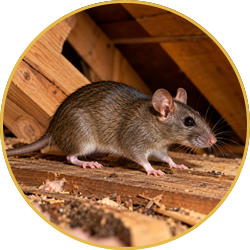
Brown rat on wooden attic floor near exposed beams

ROOF RATS


Roof rats leave trails in attics and roof framing.

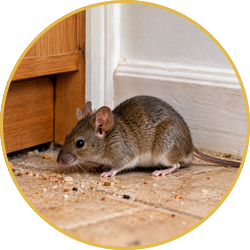
Brown rat on a kitchen floor near a cabinet and baseboard, sniffing for crumbs

HOUSE MICE


House mice hide in cabinets and behind your walls.

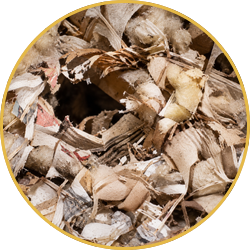
Close-up of dried brown leaves and bark chips piled in a circular frame

ATTIC NESTS


Hidden nests may lie beneath layers of insulation.

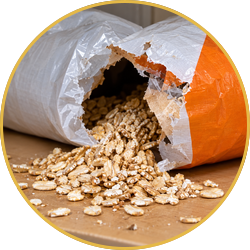
Spilled oats pouring from a torn white and orange bag onto a wooden surface

FOOD DAMAGE


Gnawed food bags help pinpoint where rodents feed.

Splintered wooden post with a broken beam against a wooden fence

CHEW DAMAGE


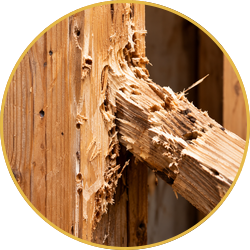
Chewed wiring and wood can signal rodent activity.

Broken stucco wall with a black and white drain pipe protruding through a hole

REPEAT ENTRY


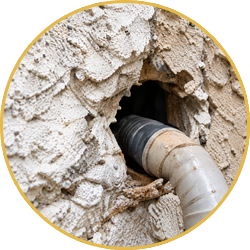
Small gaps give mice and rats a route back inside.

RODENT REMOVAL AND CONTROL

MICE OR RATS?

WE FIND THEIR WAY INSIDE

Mouse and Rat Removal logo in black script with gold underline

We identify mouse and rat activity, trace entry points, and build a control and exclusion plan around your home.

COMMON MICE AND RAT ISSUES WE HANDLE

Brown rat on wooden attic floor near exposed beams

ROOF RATS


Roof rats leave trails in attics and roof framing.

Brown rat on a kitchen floor near a cabinet and baseboard, sniffing for crumbs

HOUSE MICE


House mice hide in cabinets and behind your walls.

Close-up of dried brown leaves and bark chips piled in a circular frame

ATTIC NESTS


Hidden nests may lie beneath layers of insulation.

Spilled oats pouring from a torn white and orange bag onto a wooden surface

FOOD DAMAGE


Gnawed food bags help pinpoint where rodents feed.

Splintered wooden post with a broken beam against a wooden fence

CHEW DAMAGE


Chewed wiring and wood can signal rodent activity.

Broken stucco wall with a black and white drain pipe protruding through a hole

REPEAT ENTRY


Small gaps give mice and rats a route back inside.

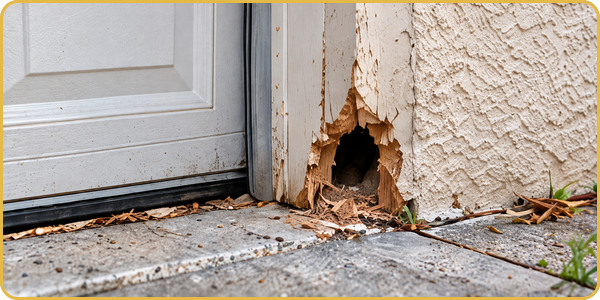
Damaged exterior wall beside a door, with a hole and peeling stucco near the ground

SIGNS YOU MAY HAVE A MOUSE OR RAT PROBLEM

Black outlined checkmark inside a circular progress arrow icon on a white background

Droppings help map the routes rodents use indoors.

Black checkmark inside an incomplete circle icon on a white background

Stored items can hold scraps gathered for nesting.

Black checkmark inside a circular arrow icon on a white background

Gnawed packaging offers clues to feeding activity.

Black checkmark inside a circular outline icon on a white background

Rub marks around gaps can indicate rodent traffic.

Black checkmark inside a partial circle icon on a white background

Wall or ceiling noises help locate hidden rodents.

Checkmark inside a circular arrow icon

Tunnels in insulation may suggest rodent activity.

Hole and rotted wood at the base of a white exterior wall beside a door, with debris on the pavement

SIGNS YOU MAY HAVE A MOUSE OR RAT PROBLEM

Checkmark inside a circular refresh-style arrow icon in black on a white background

Droppings help map the routes rodents use indoors.

Black checkmark inside a circular outline icon on a white background

Stored items can hold scraps gathered for nesting.

Black checkmark inside a circular outline icon on a white background

Gnawed packaging offers clues to feeding activity.

Black checkmark inside an open circle icon on a white background

Rub marks around gaps can indicate rodent traffic.

Black checkmark inside an open circular outline, resembling a completed task icon

Wall or ceiling noises help locate hidden rodents.

Checkmark inside a circular outline icon

Tunnels in insulation may suggest rodent activity.

OUR MOUSE AND RAT CONTROL PROCESS

Black magnifying glass icon inside a thin gold circle on a white background

INSPECT

We identify rodents, travel routes and entry gaps.

Black clipboard icon inside a gold circle on a white background

PLAN

Control targets rodents while we monitor activity.

Green shield with a white house icon, outlined by a thin gold circle on a white background

EXCLUDE

Chew-resistant materials close off gaps and holes.

Dark green rat silhouette with a smaller rat on its back inside a gold circle.

FOLLOW UP

Follow-up checks shape advice to keep rodents out.

Information icon in a black outlined circle on a white background

We plan removal and sealing together, then check for remaining activity.

WHERE MICE AND RATS GET INSIDE
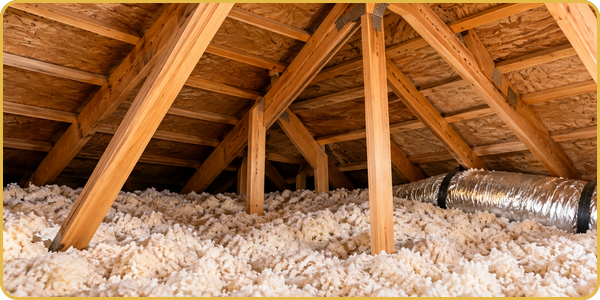
Attic with exposed wooden beams, insulation, and a silver ventilation duct

ATTICS

We trace rodent paths and nesting spots in attics.
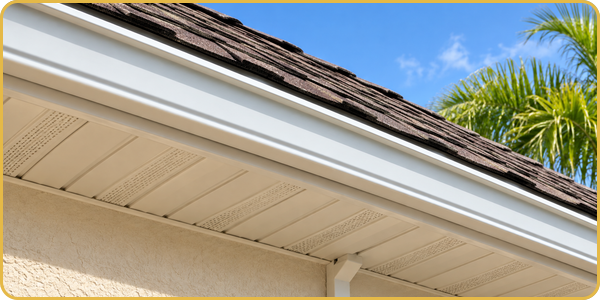
Close-up of a house roof eave with white soffit, tan siding, and blue sky with palm fronds.

ROOF EDGES

Soffits and roof edges are checked for entry gaps.
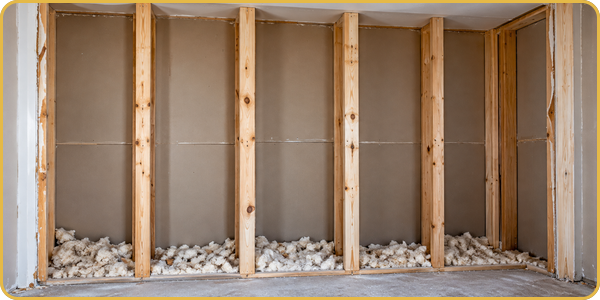
Unfinished wall framing with vertical wooden studs and insulation debris at the base

WALL VOIDS

Wall noises help us locate hidden rodent activity.

Bright kitchen with white cabinets, stainless sink, and wood floor by a window

KITCHENS

Cupboards and food storage areas get a close look.
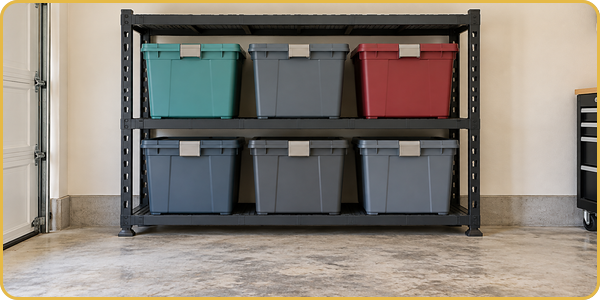
Black storage shelf with six colored bins in a room with tiled floor

GARAGES

Garage checks cover gaps, bins and hidden corners.
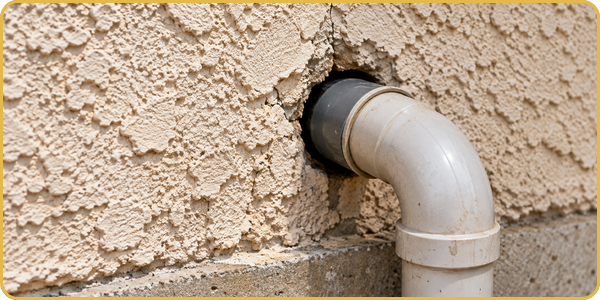
White PVC drain pipe exiting a stucco wall near the ground

UTILITY GAPS

Openings around pipes and cables can offer access.

WHAT ATTRACTS MICE AND RATS TO A PROPERTY

Dark green trash bin icon with a rounded lid and container

STORED FOOD

We check containers and food bags for easy access.

Dark green paw print icon on a rounded square background

PET FOOD

Food left in pet bowls overnight attracts rodents.

Dark green leafy branch illustration on a white background

ROOF ACCESS

Nearby branches give rats a pathway onto the roof.

Dark green pipe elbow icon on a white background

SMALL GAPS

Small gaps near doors and pipes get a closer look.

Dark green tree and shrub silhouette logo on white background

DENSE COVER

Dense foliage can conceal well-used rodent routes.

Green open box with packing paper next to a closed box

HIDDEN NESTS

Clutter and sheltered spots can hide rodent nests.

FREQUENTLY ASKED QUESTIONS ABOUT MICE AND RATS

  • How do you tell mice and rats apart?

    We compare droppings, gnaw marks, nesting material and the routes being used, along with any sightings. House mice are much smaller than adult roof rats, but a young rat can be mistaken for a mouse. We also look at body shape, ears and tail length when we can see the animal clearly. Identifying the rodent helps us choose where to focus control and what to inspect for possible entry.

  • Where do mice and rats get inside?

    We check gaps around doors, pipes and utility lines, then work upward to soffits, roof edges and other openings. Roof rats are good climbers and may reach a home from branches or nearby structures. House mice can squeeze through very small gaps close to the ground or elsewhere on the building. We trace the activity back to likely access points instead of assuming the opening nearest a sighting is the only one.

  • Can you remove rodents from an attic?

    Yes. We inspect the attic for signs of mice or rats, locate travel routes and look for access through the roofline or other parts of the home. Our control plan addresses the activity we find and includes monitoring the results. We also check accessible insulation and stored items for nesting or contamination, then discuss entry repairs and cleanup options based on the conditions.

  • Will sealing openings solve the problem?

    Sealing helps prevent access, but it may not resolve an infestation if rodents are already inside. We plan control and exclusion together so the work addresses both the animals using the home and the openings they use. We choose materials suited to the location and the risk of chewing. Follow-up checks help us determine whether activity remains or another access point needs attention.

  • Do you offer cleanup after rodent activity?

    We assess accessible areas for droppings, nesting material and affected insulation, then explain the cleanup options for your property. The scope depends on how much activity occurred and where it is located. We discuss any insulation work or repairs that may be needed before work begins, so you know what is included in the proposed service.

  • How do you help prevent rodents returning?

    We focus on entry points and the conditions that make a property useful to mice and rats. Depending on what we find, we may recommend sealing gaps, moving branches away from the roof, improving food storage or reducing clutter in sheltered areas. We check the results of control work and explain what to watch for afterward. No home stays protected by a single repair if new openings or food sources develop.